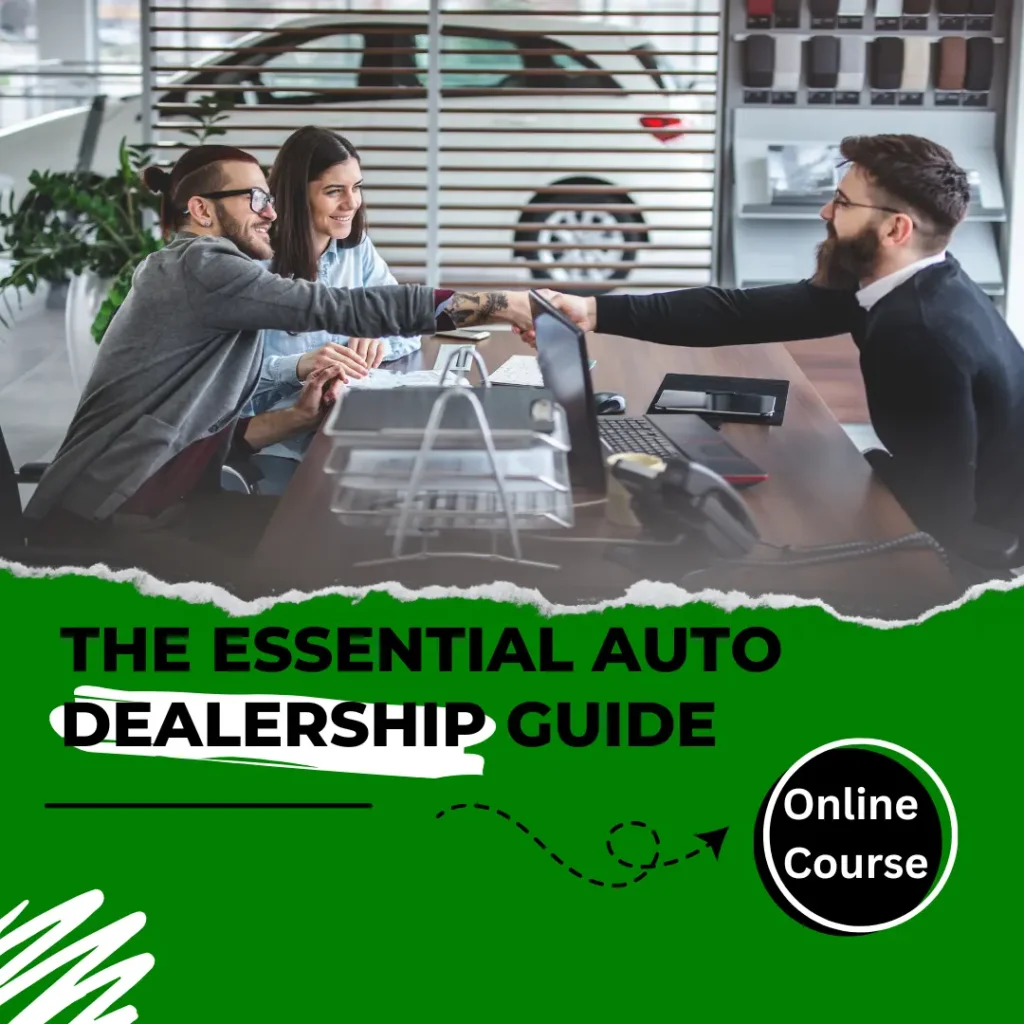
Automotive sales training teaches you the skills that turn showroom traffic, phone calls and internet leads into sold cars: building rapport, running a clear sales process, handling objections and following up. Whether you are brand new to the lot or a veteran who wants a higher closing ratio, the right training shortens the learning curve and puts more money in your pocket.
What automotive sales training covers
Good automotive sales training follows the whole customer journey, not just the final handshake. Expect to learn how to greet and qualify a customer, present a vehicle, handle price and trade conversations, close, and keep the relationship alive after delivery. Strong programs also cover phone and internet lead handling, because many buyers decide who to visit before they ever walk in.

Who needs automotive sales training?
New salespeople need it most, because the first 90 days decide whether someone stays in the business. Experienced reps benefit too: habits formed years ago rarely get tested, and small changes in how you open a conversation or answer an objection can add several extra deals a month. Managers and dealers use training to give a team one consistent process instead of ten different styles. If you are starting from zero, our course How to Become an Auto Sales Associate is built for exactly that.
Learn the full sales process from first contact to delivery.
The core skills every car salesperson needs
- Rapport and discovery: asking questions that uncover what the customer really needs.
- Product presentation: tying features to the buyer’s situation, not reading a spec sheet.
- Objection handling: staying calm and curious when a customer pushes back. See our guide on how to handle objections in auto sales.
- Phone and lead follow-up: booking appointments that actually show. Learn more in our auto sales phone skills course.
- Closing and finance basics: moving from agreement to paperwork smoothly. Read understanding financing options for a primer.
Why training pays off
Car sales is a performance career, so skill shows up directly in your paycheck. The U.S. Bureau of Labor Statistics reports that earnings for sales workers vary widely with experience and results, which is exactly why a repeatable process matters. Trained salespeople waste fewer opportunities, lose fewer deals to hesitation and earn more repeat and referral business. Avoiding the common pitfalls also helps, so read the top mistakes new auto salespeople make.
How to choose an automotive sales training program
- Check the content. It should cover process, phone skills, objections and follow-up, not only motivation.
- Look for flexibility. Self-paced online learning lets you study around a dealership schedule.
- Look for practical examples. Real dealership scenarios beat theory.
- Compare the cost to one deal. One extra car a month usually covers the investment many times over.
Start your automotive sales training today
Fast Sales Training Center offers six self-paced online courses built for the dealership floor, from first-job basics to F&I and brokering. Browse the full auto sales training course catalog to find your starting point, or jump straight to the Sales Associate course and begin learning today.